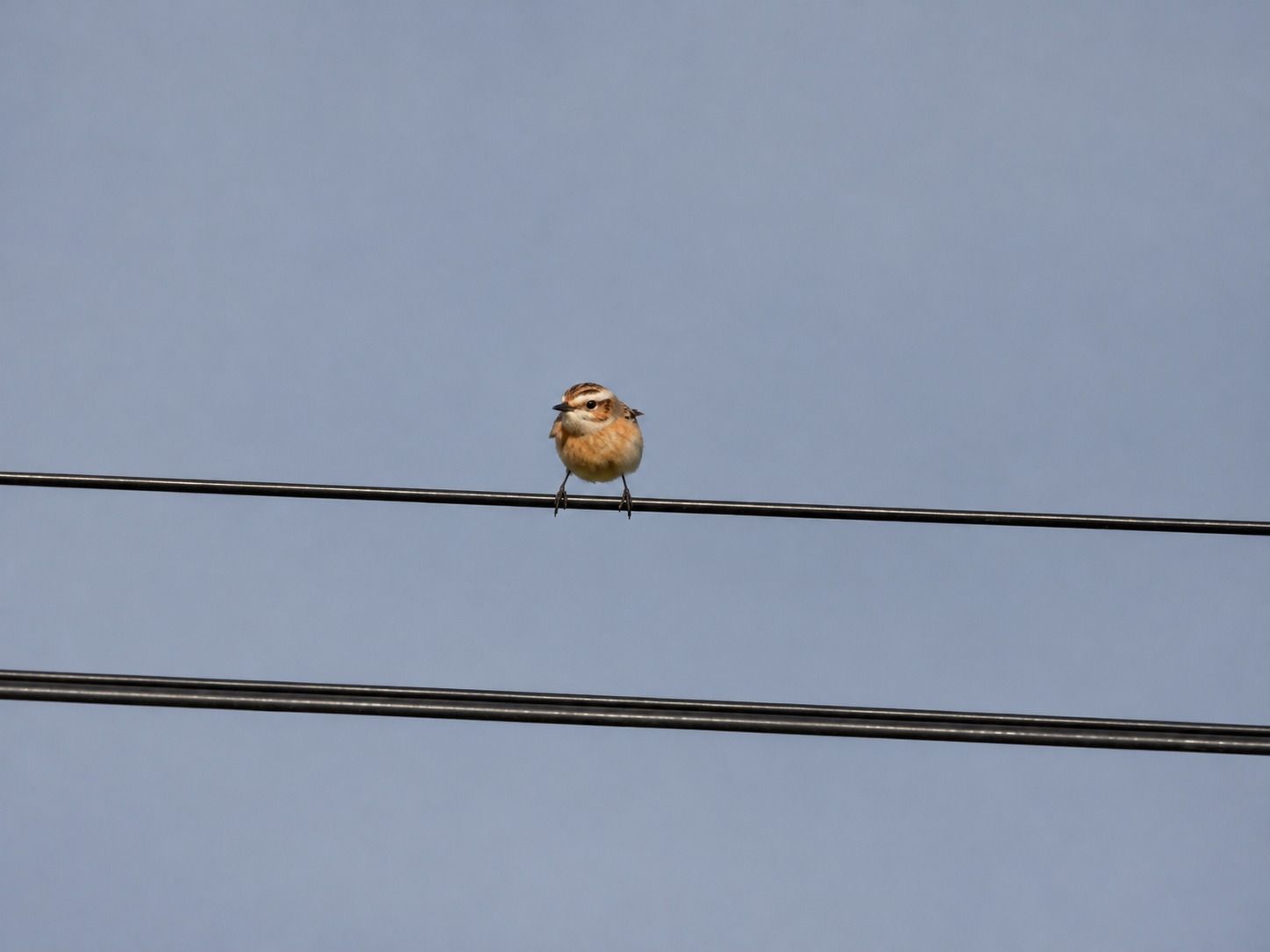
Whinchat
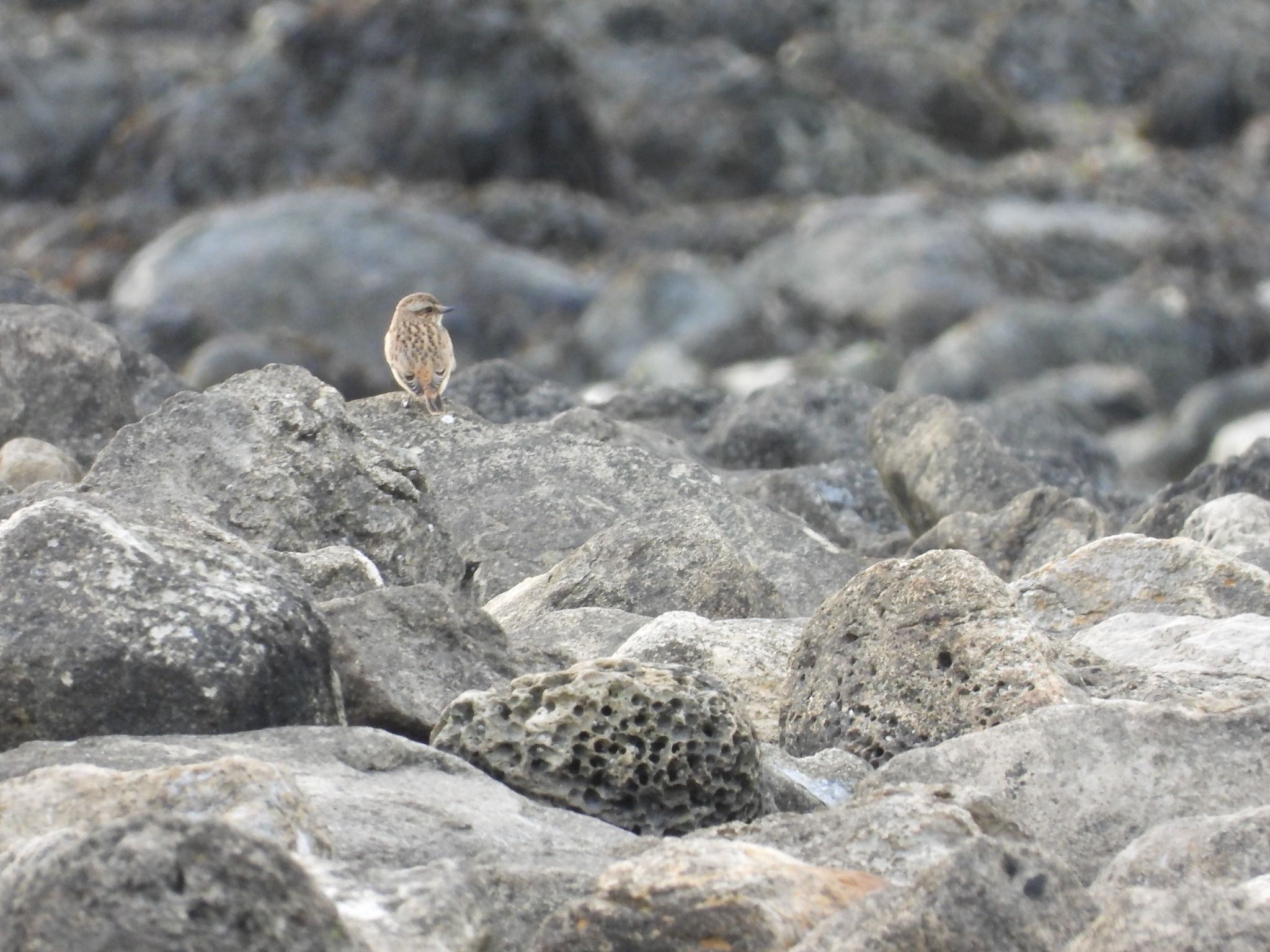
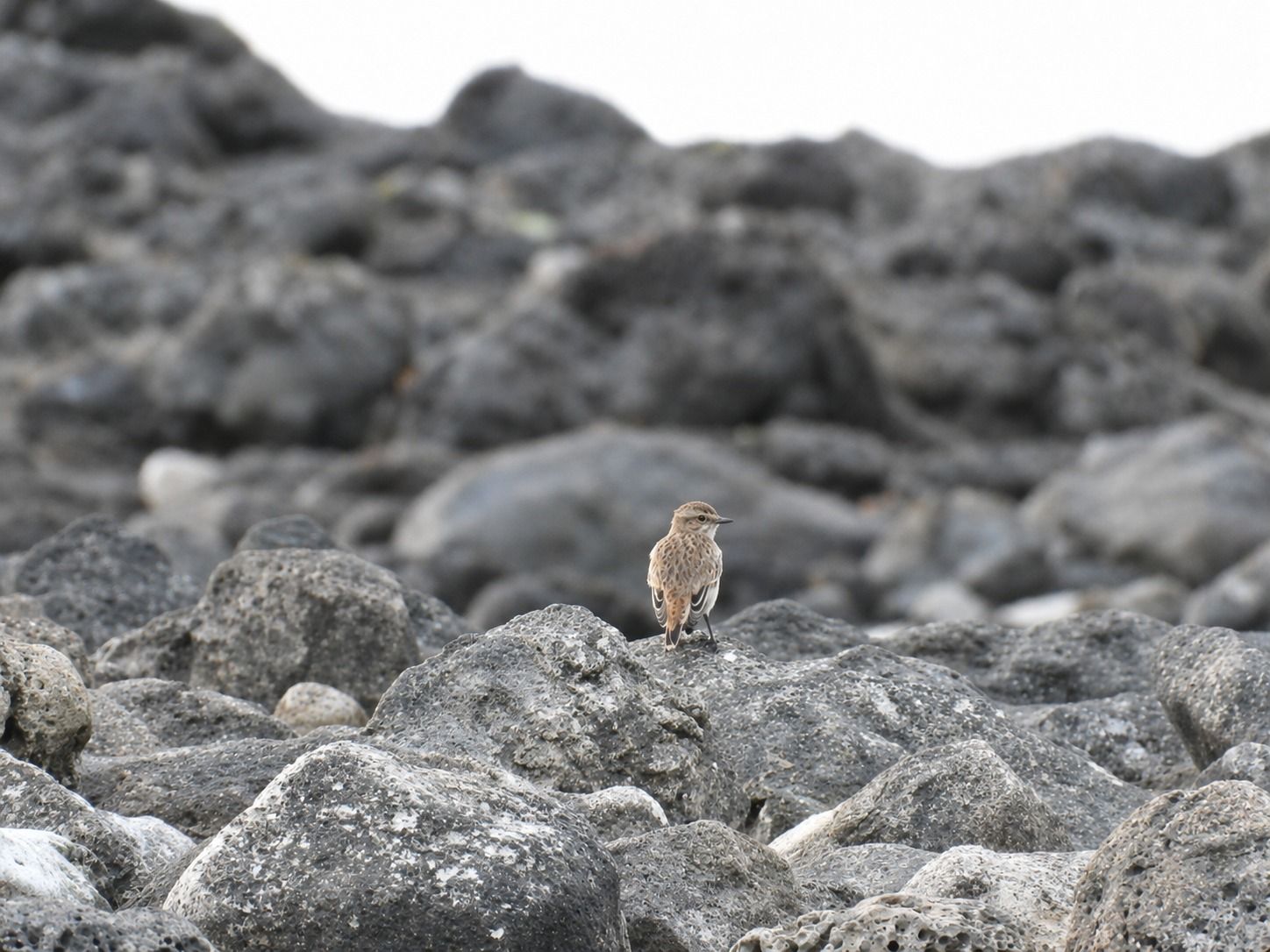
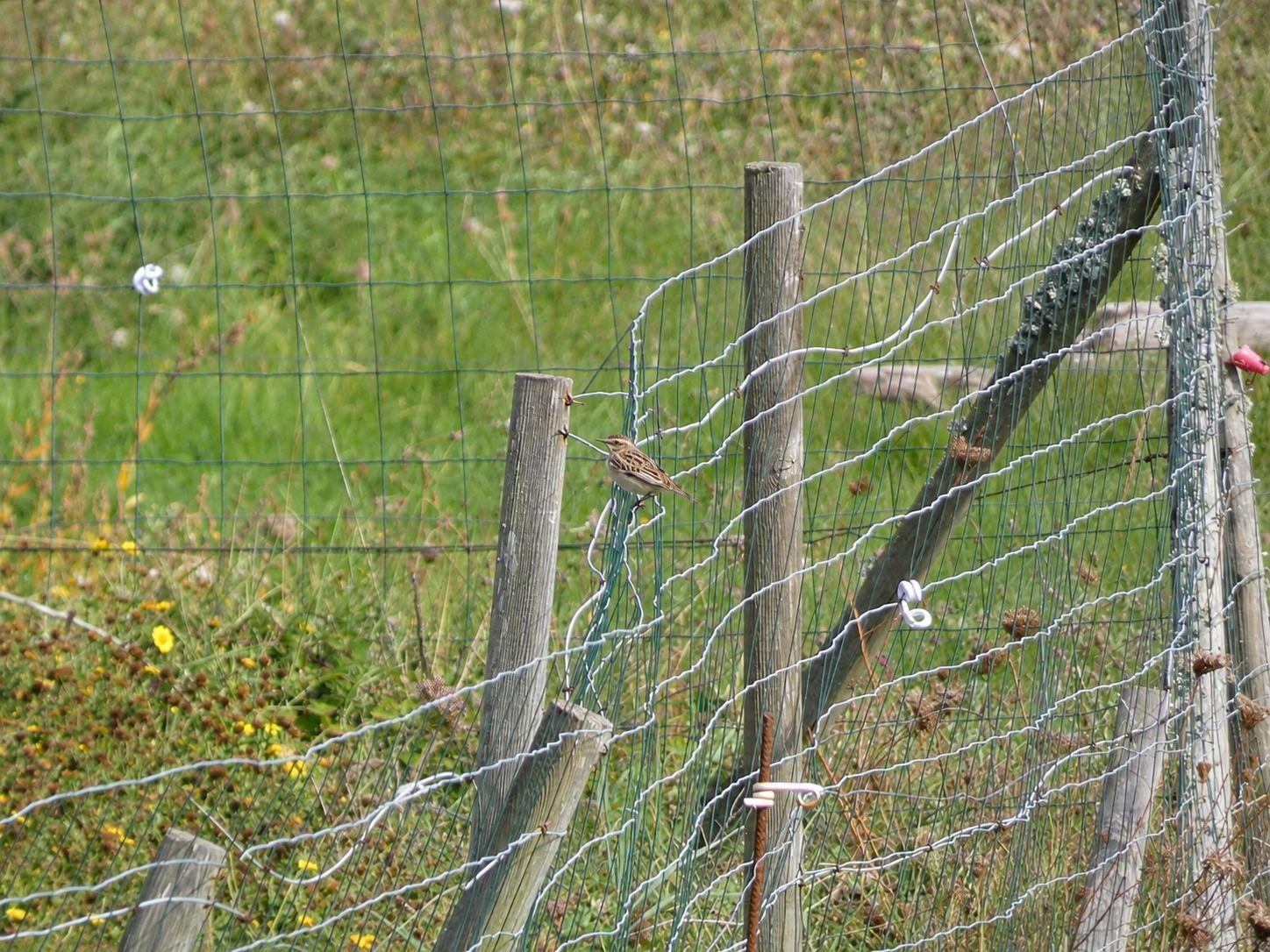
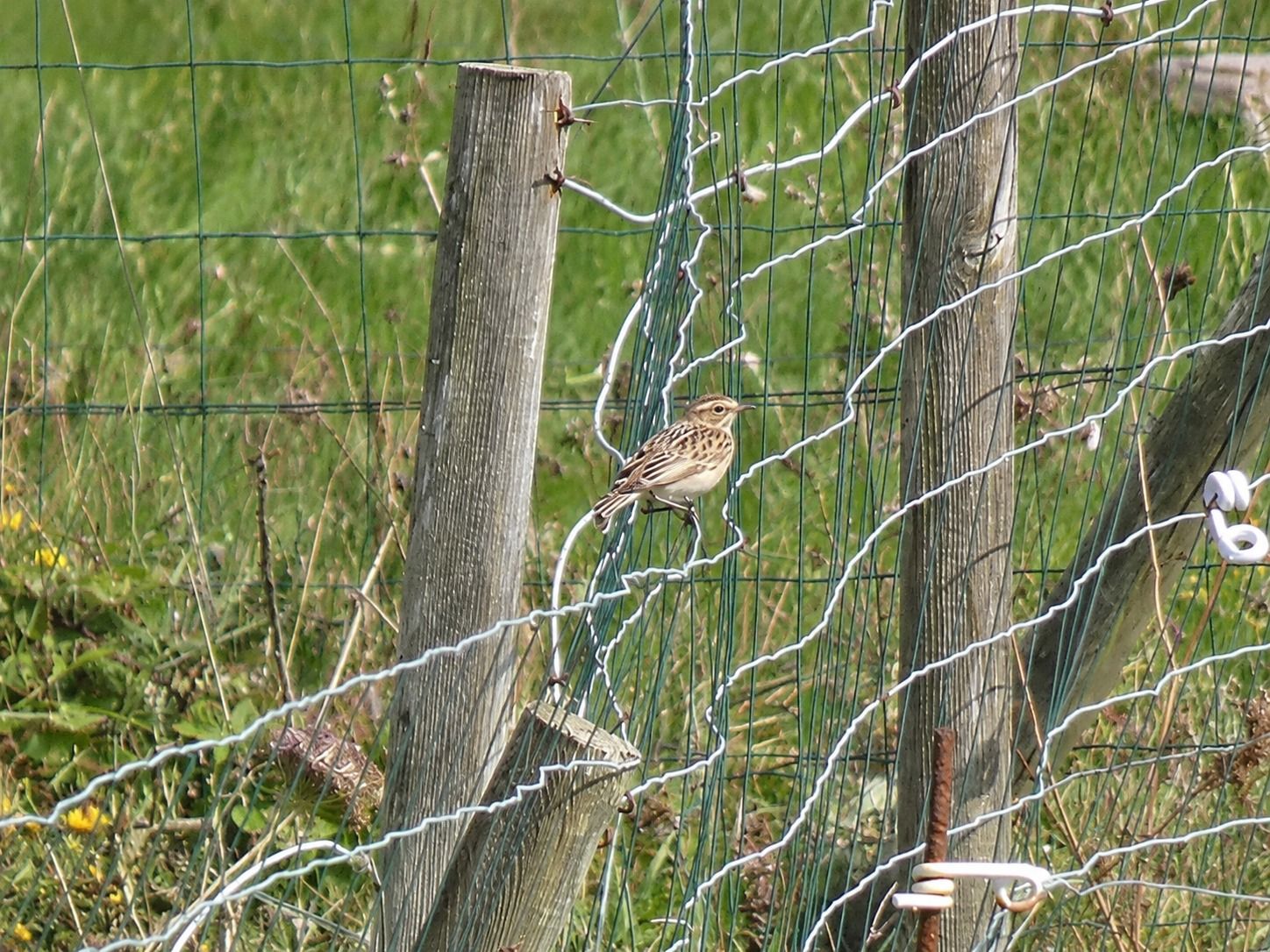
The whinchat winters in tropical Africa, from Senegal to Kenya and Zambia. Here, you see it mainly on passage in September, as in these photos. The male has a warm orange-brown breast, a black stripe across the face and a white eyebrow. The female is less colourful, but still easy to recognise. Its name comes from "whin", an old name for gorse, and "chat", after its call. It likes flowery, half-open landscapes such as damp meadows and heathland, and likes to perch on a post or bush to spot insects, giving a low clicking call. Insects make up 80 to 90% of its diet, along with spiders, small snails and, in autumn, fruit such as blackberries. The nest is well hidden in grass or among low shrubs, often at the foot of a bush. The female lays four to six eggs and incubates them alone for about thirteen days.
Photos · 5